
What photos should you take of your home for insurance?

Written by Andy Kruger
BuildSOS CEO5 min read
The short answer
Take at least 8 photos of your home: one of each of the four exterior walls, and one of each of the four corners. Add close-ups of your roof, any expensive features, and the contents of each room. Store them somewhere they'll survive the disaster: a cloud account or your BuildSOS profile.
Why home photos matter for a claim
After a disaster, the burden of proof is on you. Insurers pay for what you can demonstrate you had, and what condition it was in beforehand. Dated "before" photos are the single most effective piece of evidence a homeowner can hold.
Without them, the conversation becomes your memory against an adjuster's estimate. With them, it becomes a comparison. Comparisons get paid.
The 8 photos, step by step
- Photos 1–4
one photo of each exterior wall: front, right, back, left.
- Photos 5–8
one photo of each corner, to capture the roofline and all angles.
- Then
roof close-ups, big-ticket items, and each room's contents.
The eight angles
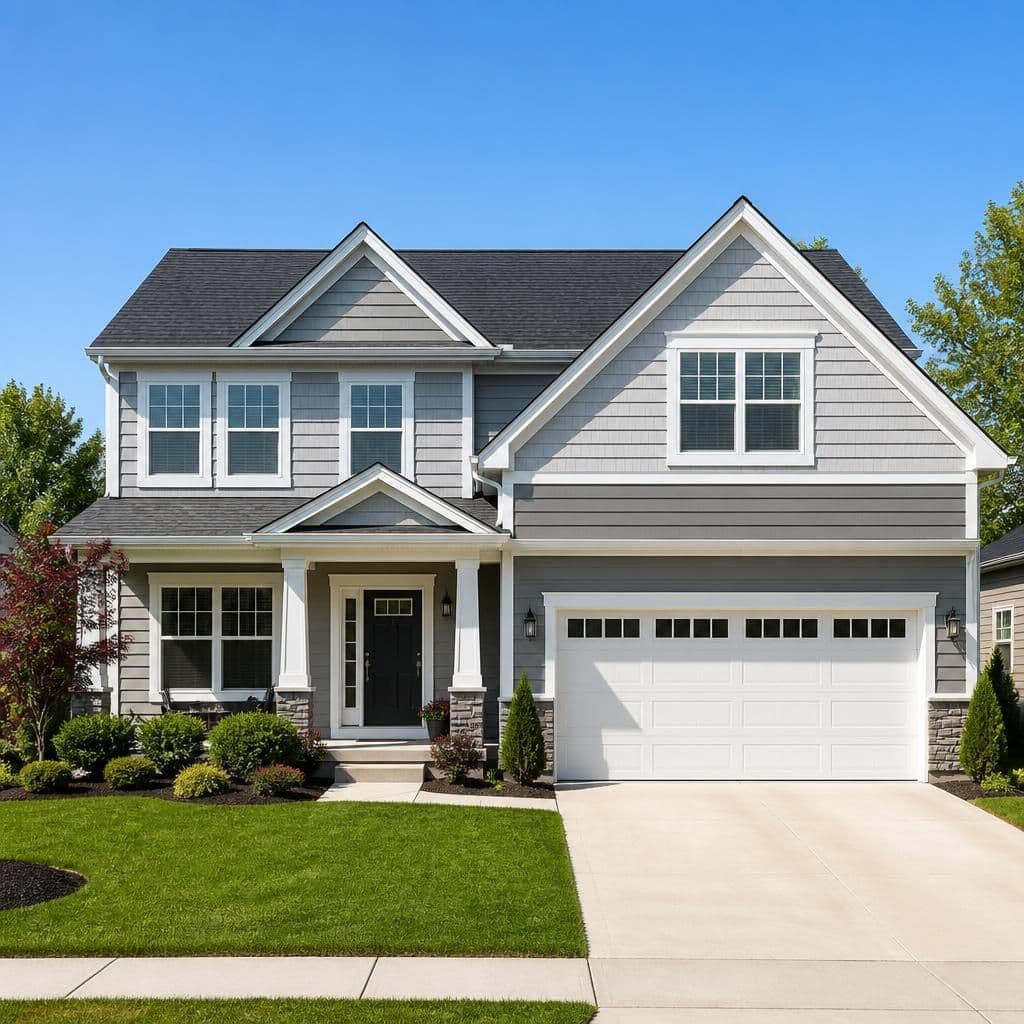
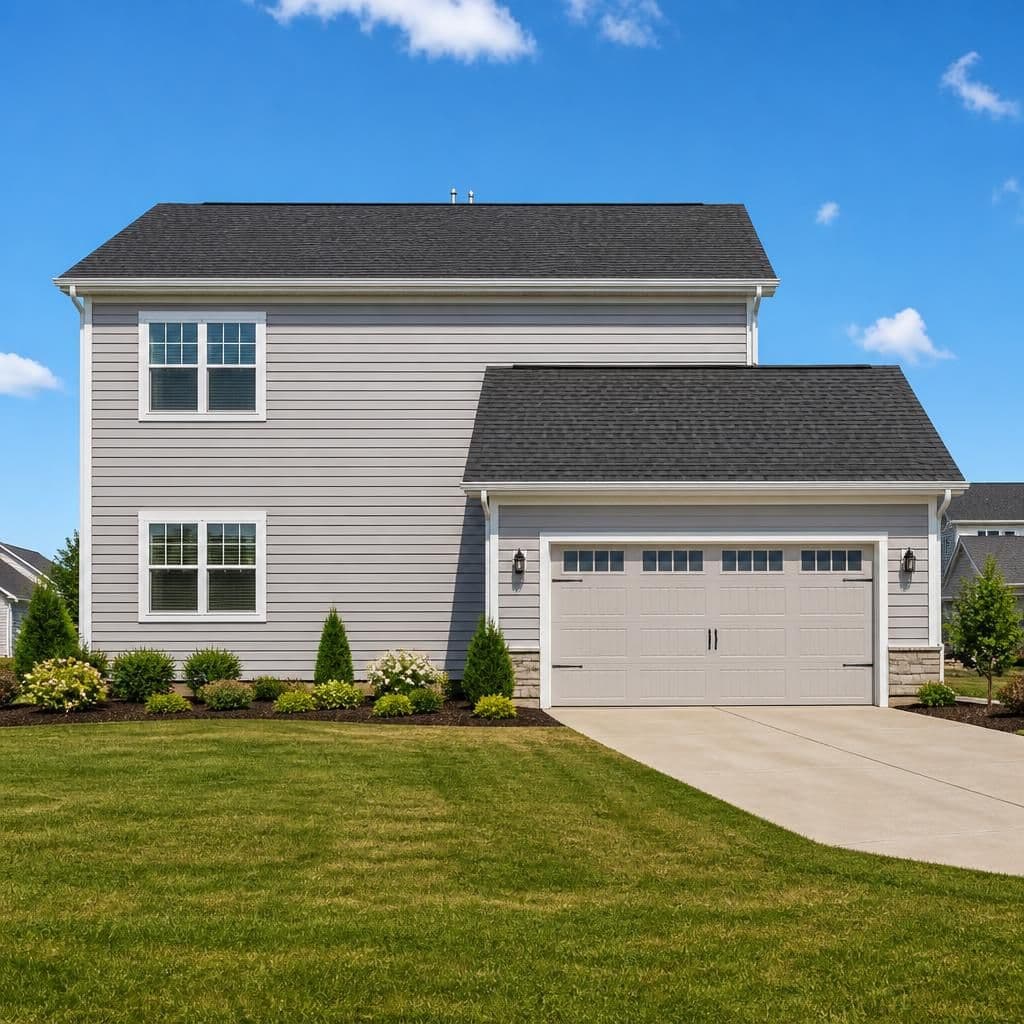
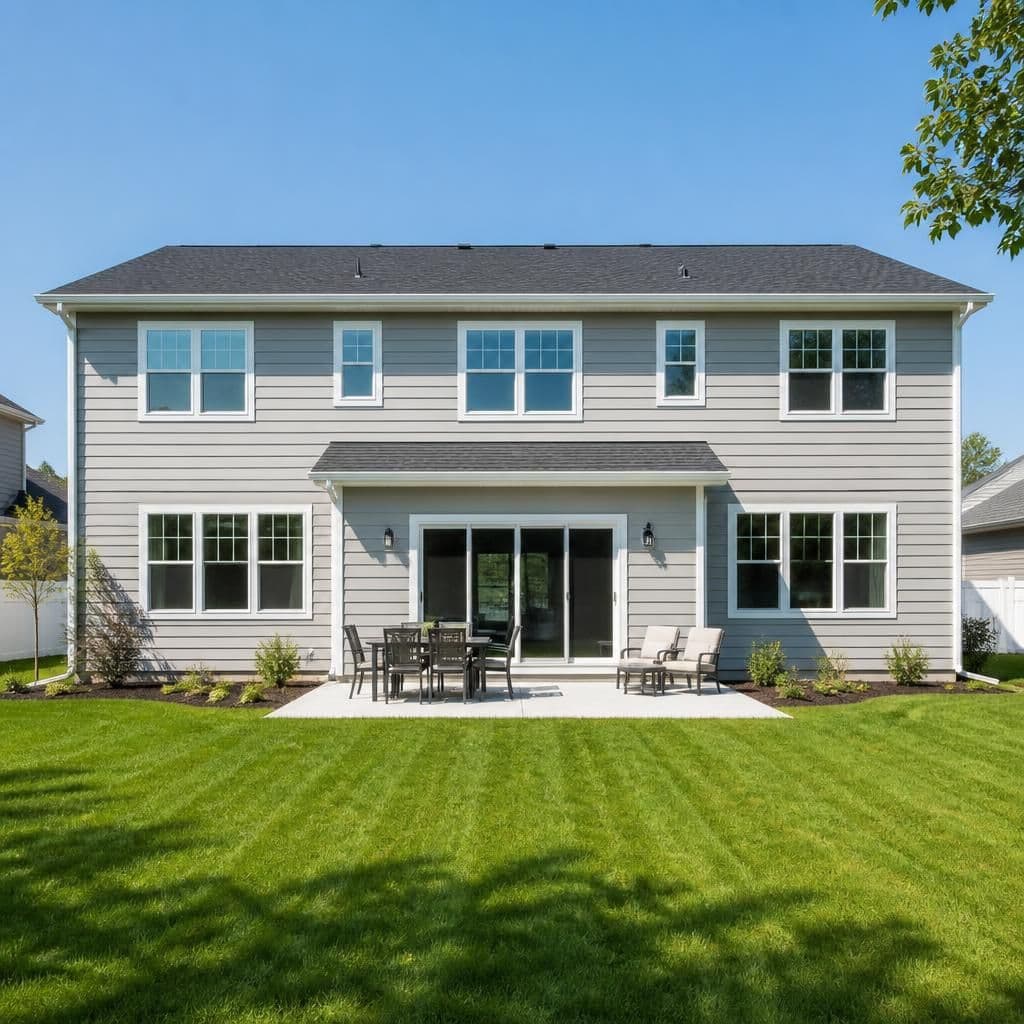
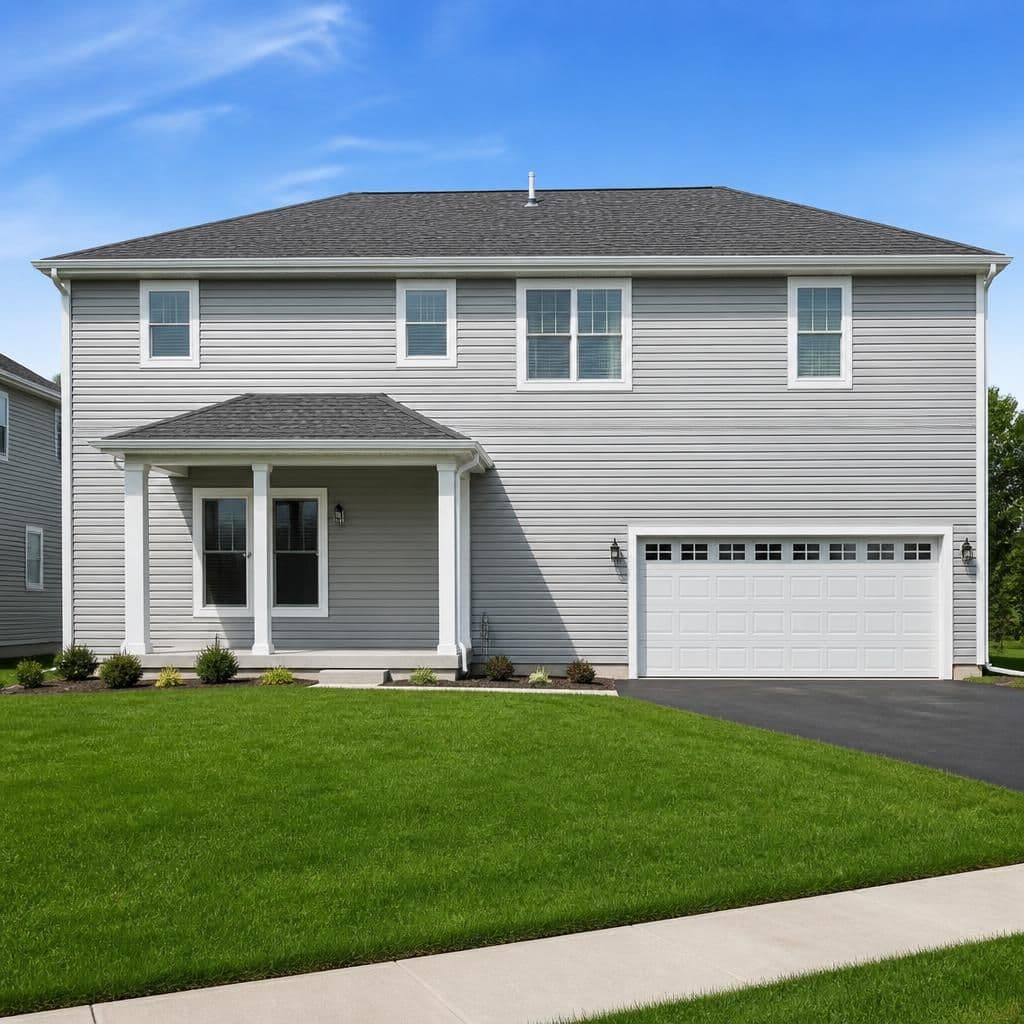
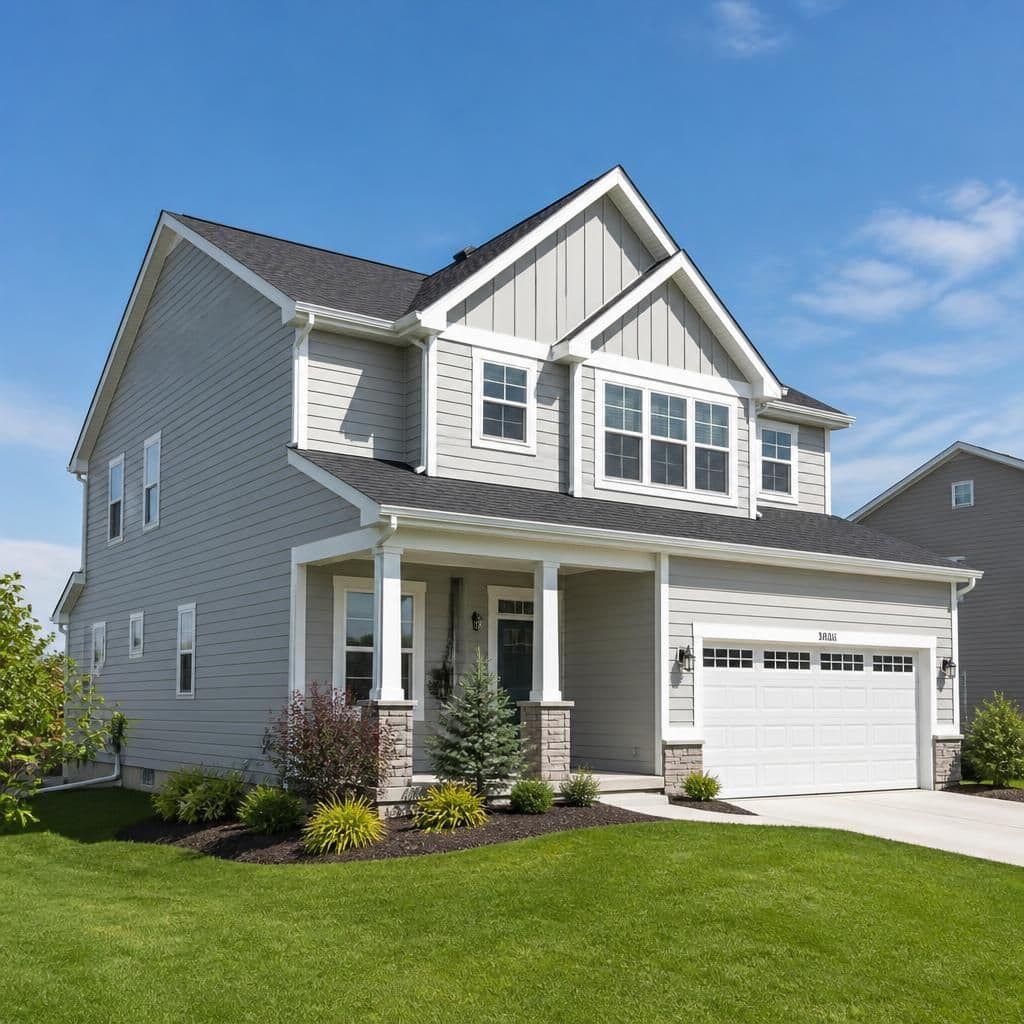
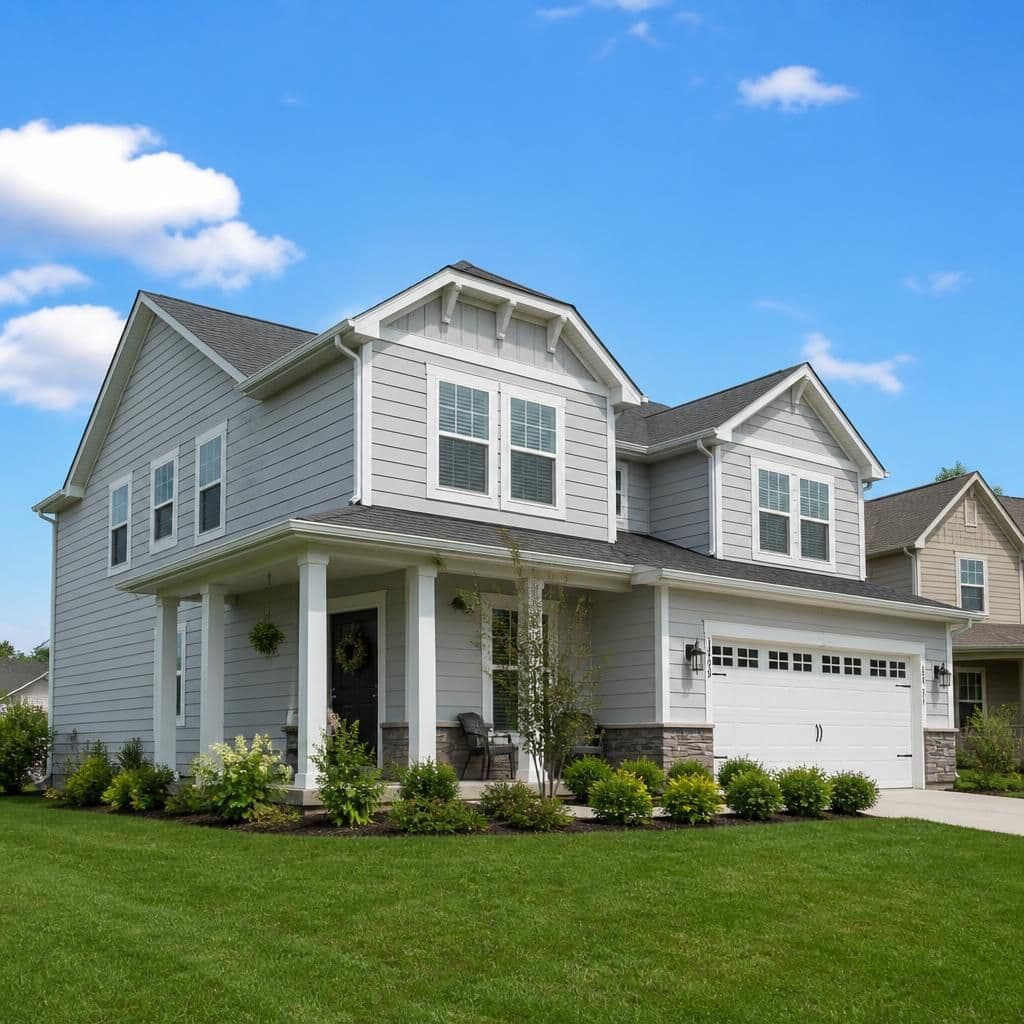
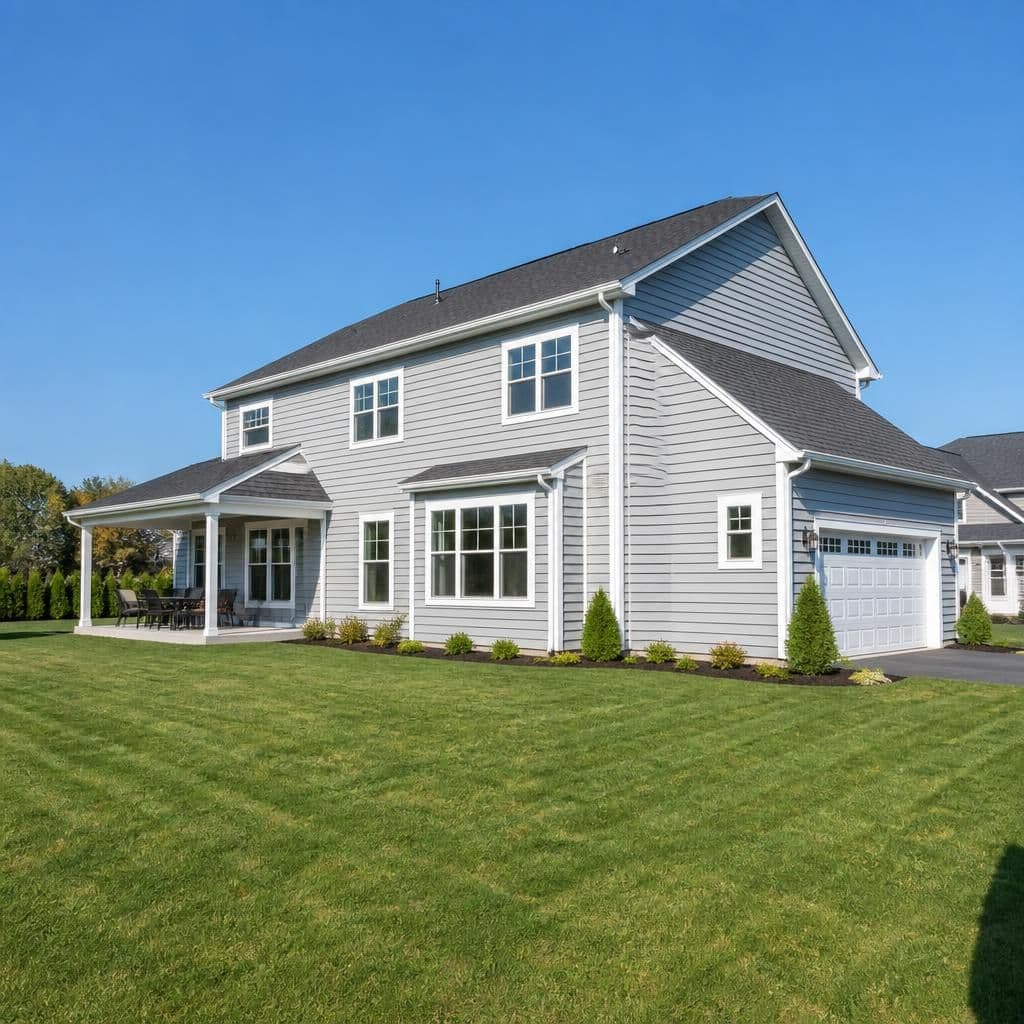
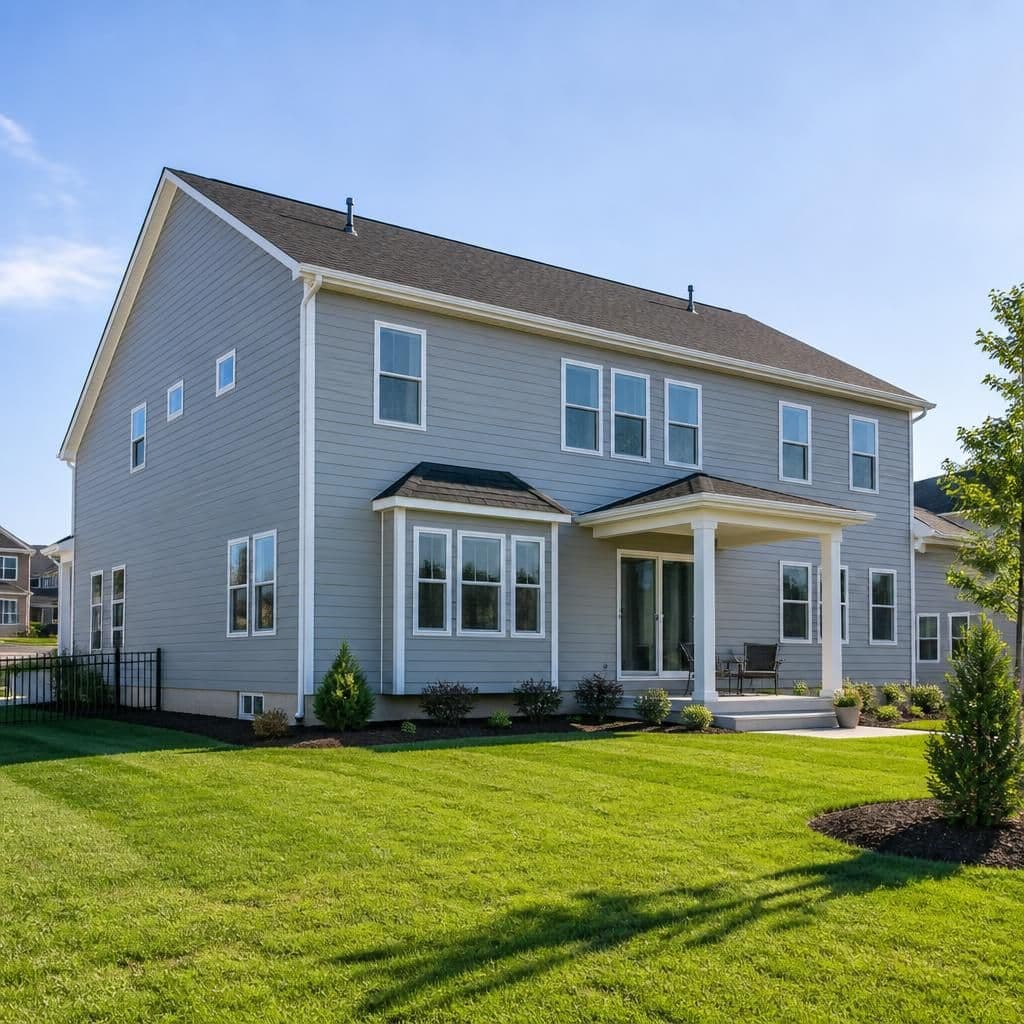
When should you take them?
Now, and again after any major change or renovation. Re-shoot once a year so your record stays current. A photo set from five years ago proves the house existed; a set from this season proves what condition it was in.
Shoot in daylight, wide enough to see the whole wall
Leave the date stamp on
Re-shoot after a new roof, deck or extension
Back up off the phone the same day
Frequently asked
Do photos on my phone count as evidence?
Yes. Phone photos with a visible date are fine. Back them up off the phone so they survive the disaster.
How often should I update them?
Once a year, and after any renovation or big purchase.
Where's the safest place to store them?
Off-site or in the cloud, somewhere that survives if your home doesn't. Your BuildSOS profile works too.
Sources
About the author
Andy Kruger
Andy Kruger is CEO of BuildSOS, author of When the Storm Comes, and sits on multiple boards and advisory groups shaping disaster resilience policy and research.
About Andy